
Zinc & Copper Standing-Seam Cladding
Zinc and copper standing-seam metal cladding and roofing for premium architectural façades in Ghana — interlocking weathertight seams, natural living patina, and a service life measured in generations. Cladding Ghana specifies the metal, the seam and the substrate to performance, and hands over the specification in writing. Since 1983, across Ghana.
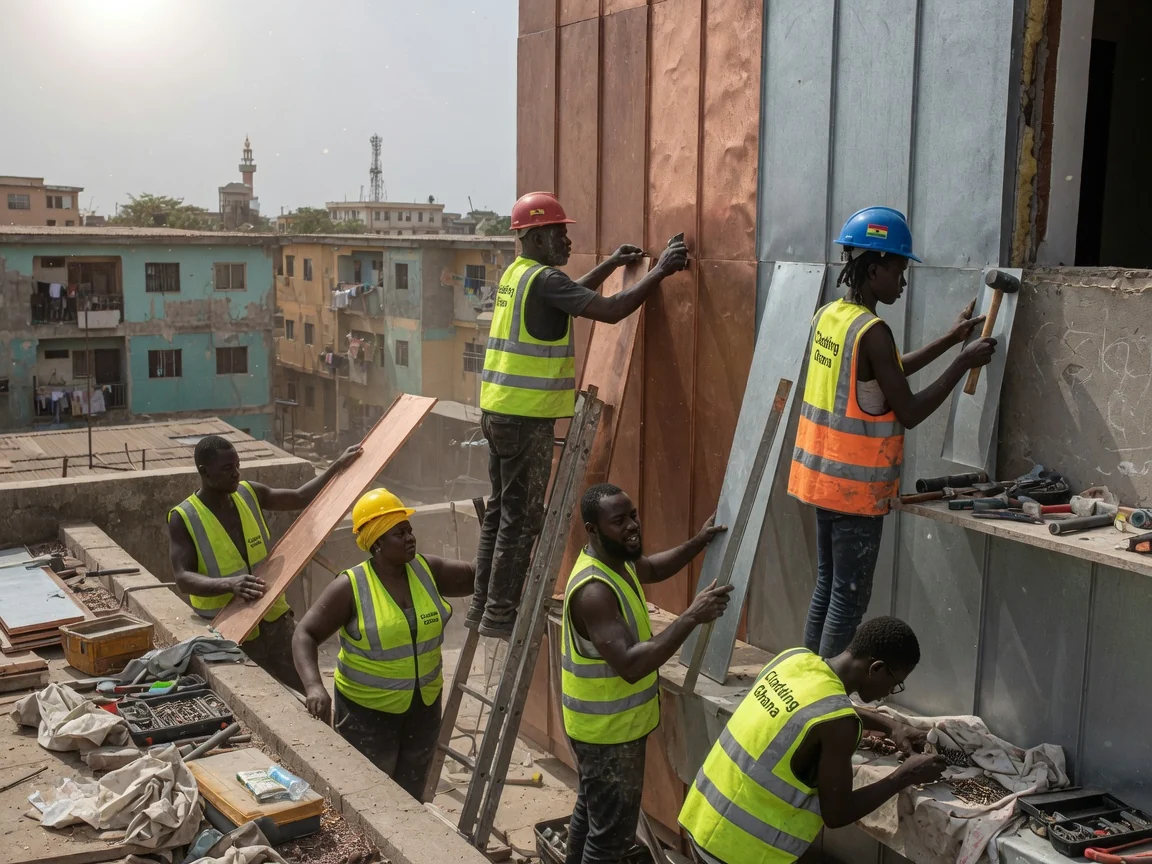
Standing-seam zinc and copper is the premium end of architectural metal cladding — a continuous, jointed metal skin formed from long panels joined by raised, interlocking seams that keep the weathertight joint up and away from running water, with the fixings hidden underneath. It is specified where a building wants a metal façade or roof that ages into a living patina and serves for generations, not a panelised wall that needs replacing. Cladding Ghana has specified and installed cladding systems across Ghana since 1983, and our position on metal is simple: we choose the metal to the building, engineer what sits behind it, and tell you what it will do over time.
Why the Metal and the Seam Are the Whole Decision
Two metal façades can look similar on day one and behave completely differently over thirty years, because the visible metal is only half the system. The seam is what keeps water out — a correctly formed, interlocking standing seam carries the joint above the water plane and accommodates thermal movement; a poorly seamed roof leaks regardless of the metal. The substrate behind the metal is what decides the working life — trapped moisture, not the metal itself, is what shortens a standing-seam roof. Choosing zinc or copper is an architectural and budget decision; engineering the seam and the ventilated substrate is the durability decision, and both have to be made deliberately.
Choosing Between Zinc and Copper
Both zinc and copper are self-protecting architectural metals that develop a stable patina rather than a coating that eventually fails — that is why they last. They differ in colour journey, weight and cost, and the right choice depends on the building, the budget and the look you want the façade to settle into.
Standing-Seam Metal Systems
Architectural Zinc Standing Seam
Zinc panels roll-formed and seamed into a continuous skin. Zinc weathers from its mill finish to a soft, even blue-grey patina that is self-healing — minor scratches re-patinate over time. It is lighter and generally more economical than copper, which makes it the common choice for large façades and roofs, and it is available in pre-weathered grey and dark finishes for an immediate aged look.
Copper Standing Seam
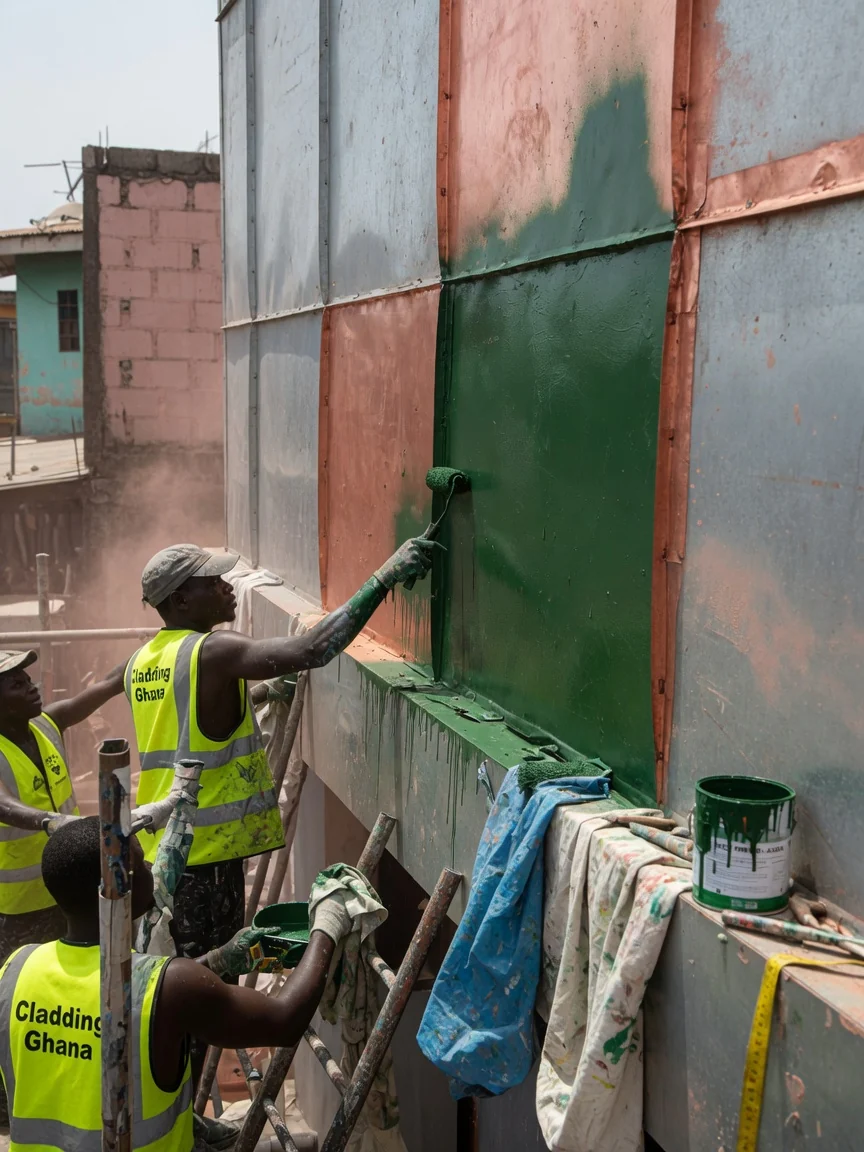
Copper panels formed and seamed in the same way, chosen for its unmistakable finish. Copper starts bright and salmon-coloured, deepens through browns, and over many years develops the classic green verdigris patina. It is heavier and costs more than zinc, and is specified where a building — a heritage residence, an institutional landmark, a place of worship — wants that distinctive, generational living finish.
Standing-Seam Metal Roofing
The same interlocking-seam system applied to roofs and curved or tapered roof forms. The raised seam and concealed clips make standing seam one of the most weathertight roof systems available, well suited to Ghana’s heavy rain, and able to follow complex architectural geometry that panelised systems cannot.
Zinc vs Copper Compared
| Metal | Colour journey | Weight & cost | Working life | Specify for |
|---|---|---|---|---|
| Zinc | Mill finish → soft blue-grey patina (self-healing) | Lighter, more economical | Decades | Large façades and roofs, value-led architectural metal |
| Copper | Bright → brown → green verdigris over years | Heavier, premium cost | Decades to generations | Heritage, institutional landmarks, statement façades |
| Pre-weathered zinc | Immediate aged grey/dark finish | As zinc | Decades | Where the aged look is wanted on day one |
(Patina behaviour is characteristic of the metal; the actual finish and working life depend on the grade specified and the quality of the substrate and seam work, which we detail and document.)
How We Deliver a Standing-Seam Façade
- Choose the metal to the building — zinc or copper, thickness and finish written into the specification against patina, weight, life and budget.
- Engineer the substrate and ventilation — a ventilated, drained substrate with correct underlay and separation layer so the metal can move and breathe.
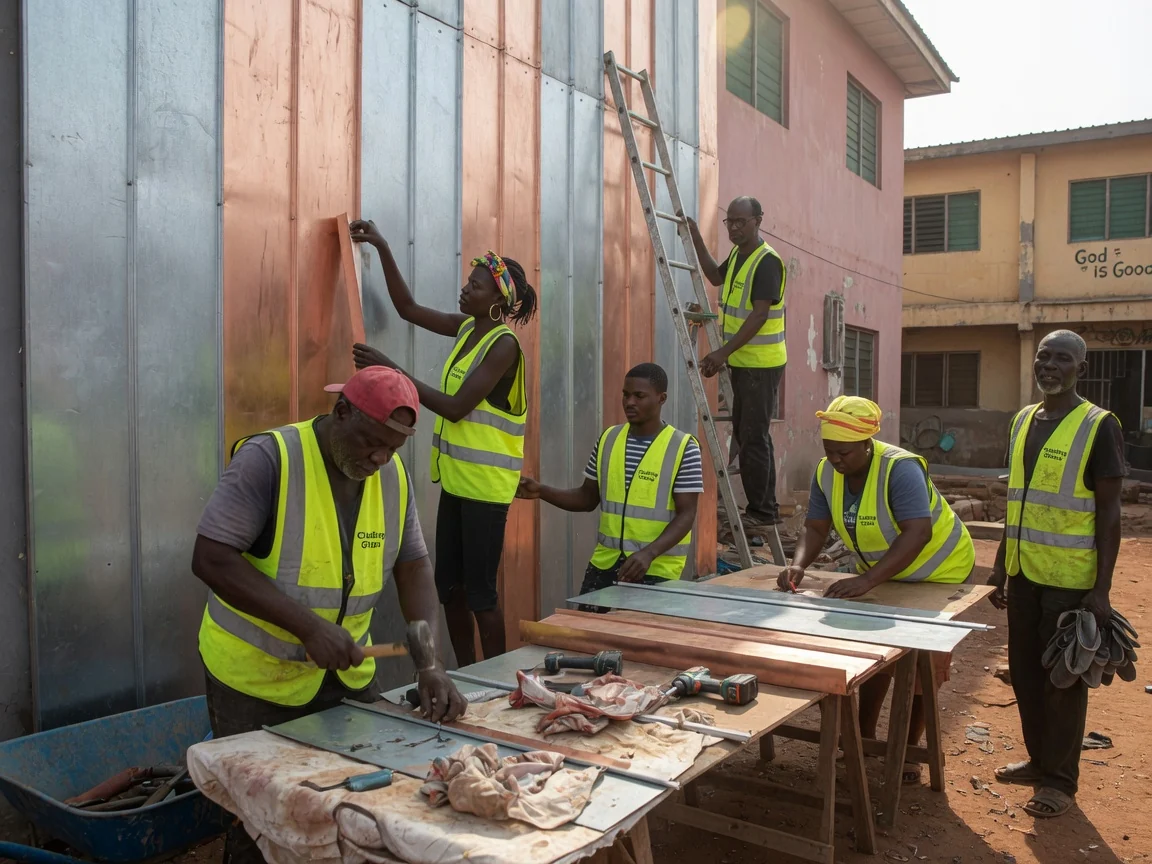
- Set out and roll-form the seams — panels set out to the architecture and seamed weathertight, with the correct clip and fixing pattern for thermal movement.
- Install, inspect and hand over in writing — every seam and flashing inspected, metal data sheets and as-built specification handed to the owner.
Materials & Real Standards
Standing-seam zinc and copper are judged on the metal and the workmanship rather than a single product certificate, so we specify them qualitatively and document what is installed:
- The metal and grade — architectural-grade zinc or copper, with the thickness and finish (mill, pre-weathered, or as specified) named in the specification.
- The interlocking seam — the standing seam carries the weathertight joint above the water plane and is mechanically or hand-seamed; the clip and fixing pattern is detailed to accommodate thermal expansion and contraction.
- The patina — both metals form a stable, self-protecting patina (zinc to blue-grey, copper to brown then green) rather than relying on a coating that degrades, which is the source of their long working life.
- Façade performance — where the metal forms a sealed architectural envelope, performance can be verified against ASTM E283 (air leakage), ASTM E331 (water penetration) and ASTM E330 (structural wind load).
- Structural framing — where the metal is carried on an engineered aluminium or steel sub-frame, that framing is executed to EN 1090 (CE conformity for structural metalwork).
- Compatibility — fixings, clips and flashings are specified in compatible metals to avoid bimetallic (galvanic) corrosion, which matters near the coast.
What Affects the Cost
- The metal chosen — copper costs more than zinc, and pre-weathered finishes cost more than mill finish
- Panel thickness, the seam type, and the complexity of the roof or façade geometry
- The substrate, ventilation and underlay build-up behind the metal
- The supporting sub-frame, flashings and edge details
- Area, building height, and access
Standing-seam metal work is quoted on survey — the metal, the geometry and the access decide the figure. Indicative material references and the full cost picture are on the Cladding Cost Guide for Ghana.
Applications Across Ghana
- Heritage residences and statement homes wanting a copper or zinc roof and façade
- Institutional landmarks, places of worship and cultural buildings (the classic copper patina commission)
- Corporate and hospitality façades in Airport City, Ridge and the CBD wanting an architectural metal skin
- Curved and complex roof forms where panelised systems cannot follow the geometry
- Coastal projects in Takoradi and Cape Coast where weathertightness and corrosion-compatible detailing matter
- Premium commercial and institutional projects in Kumasi and Takoradi
Areas We Serve
Cladding Ghana specifies and installs zinc and copper standing-seam cladding across Greater Accra — Airport City, Ridge, Cantonments, the CBD, and East Legon — plus Tema, Kumasi and Takoradi.
Related Services
- Cladding Types Compared — which substrate is right for your building
- Aluminium Composite Cladding — ACP panel façades
- Stone Veneer Cladding — natural and engineered stone façades
- Fast-Track Commercial Cladding — speed-to-completion delivery
- Cladding Cost Guide — GH₵/US$/CFA, material vs installed
Frequently Asked Questions
What is standing-seam zinc or copper cladding? It is a metal cladding and roofing system formed from long panels of zinc or copper joined by raised, interlocking vertical seams. The seams keep the weathertight joint up away from running water and hide the fixings — the system specified for a continuous, long-life metal skin rather than a panelised, gasketed wall.
What is the difference between zinc and copper? Both form a stable, self-protecting patina but behave differently: zinc weathers to a soft blue-grey, is lighter and more economical; copper starts bright, deepens to brown, and develops the green verdigris finish over years — it is heavier and costs more. We help you choose against the building, budget and look.
How long does a standing-seam metal façade last? Architectural zinc and copper are among the longest-lived façade materials — decades for zinc, often generations for copper — because the patina is self-protecting. The life is delivered by a ventilated, drained substrate and correct seam work, which we engineer and document.
Does standing-seam metal work in the Ghana climate? Yes. The raised interlocking seam keeps water out in heavy rain, and the system is designed to expand and contract with heat. The details that matter here are ventilation and drainage behind the metal and compatible fixings near the coast — all designed in from the start.